[Your Name]
[Your Address]
[Your Phone Number]
[Your Email Address]
[Date]
[Name of Recipient]
[Recipient Title]
[Recipient Address]
SUBJECT: OBJECTION AND URGENT CONCERN REGARDING CHALICE MINING’S GONNEVILLE PROJECT (EPBC Ref: 2024/09839)
Dear [Recipient Name],
I am writing to formally register my strong objection and profound concern regarding the environmental and social risks posed by Chalice Mining’s proposed Gonneville Project in the Julimar region.
While I acknowledge that the Project is currently subject to a high-level assessment (Public Environmental Review / Controlled Action), I urge your office to ensure that this review is robust, truly independent, and prioritises the long-term ecological and public health of our region over short-term economic gain.
1. Irreversible Impact on Biodiversity
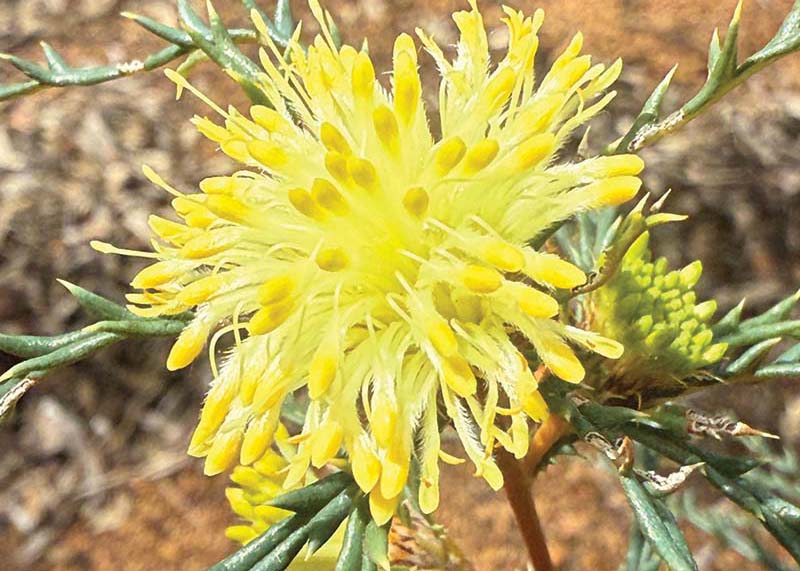
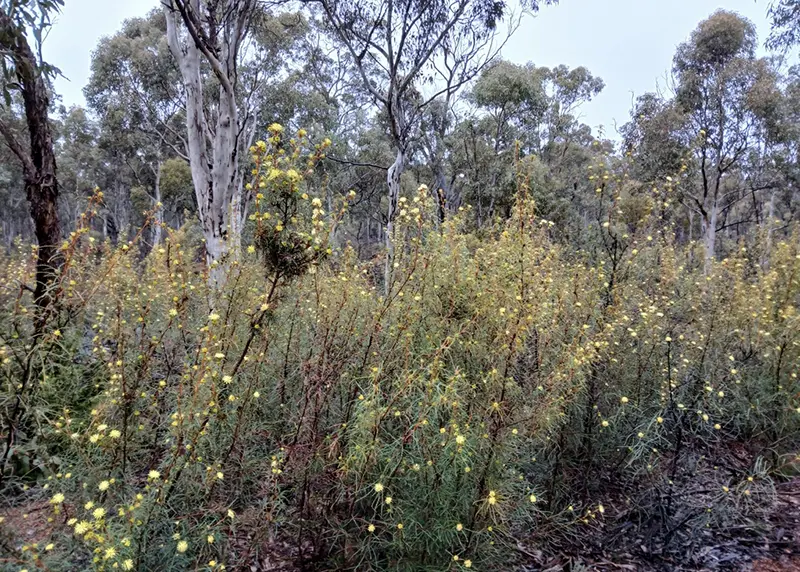
The Julimar State Forest is a globally significant biodiversity hotspot and a critical refuge for numerous vulnerable and endemic species, including the Woylie, Black Cockatoos, and unique Wandoo Woodlands.
The scale of land clearing, infrastructure development, and ongoing operational impacts associated with this mine will result in irreplaceable habitat loss and fragmentation, directly threatening the long-term viability of these protected populations.
I demand a review that critically assesses the cumulative impact of this proposal, not just on the immediate mine footprint, but on the wider ecological integrity of the Julimar State Forest.
2. Threat to Water Security and Contamination
The community rely heavily on local water sources. This project presents an unacceptable risk to our essential water supply. The mine’s substantial water usage must be strictly scrutinised against the region’s current and future climate projections and hydrological balance.
There is a serious risk of surface and groundwater contamination from tailings, chemicals, and industrial runoff. The geology of the Gonneville site presents serious risks of acid mine drainage, a long-term environmental hazard that generates sulfuric acid. Acidic runoff could contaminate local aquifers and surface water for decades, a significant risk given the site’s close proximity to the Avon River and the Swan River’s tributary system, making water pollution one of the project’s most pressing concerns.
According to Chalice Mining, water is to be pumped from Alkimos on the coast to Toodyay, approximately 60 km. This will inevitably mean additional habitat loss for local flora and fauna, as well as impacts on property owners along the infrastructure corridor.
I seek assurances that any proposed containment measures are independently audited and guaranteed to prevent long-term, irreversible damage to local catchments.
3. Public Health and Air Quality Risks
The proximity of the proposed mine site to residential areas raises serious concerns regarding community health, which have been clearly voiced in recent Chalice surveys.
Mining and exploration activities generate airborne contaminants, particulate matter, and dust. High winds will carry dust towards Chittering/Bindoon and Julimar/Toodyay. We are extremely vulnerable to long-term respiratory and health risks.
Any assessment must include a comprehensive, independent health impact study that specifically addresses the risks to vulnerable populations residing within the immediate vicinity of the Gonneville site.
4. Risk to Regional Infrastructure and Power Supply
The massive operational energy demands of the proposed mine will place significant strain on the existing regional power infrastructure, potentially impacting the reliability of supply for local residents and businesses.
I demand that the proposal include a detailed plan to demonstrate how the mine’s power requirements will be met without compromising the stability or capacity of the local grid. Any new infrastructure (such as high-voltage lines) must be assessed for its environmental footprint and fire risk, ensuring it does not further fragment habitat or endanger the community.
Demand for Independent Oversight
It is concerning that much of the baseline data and risk analysis for this project is supplied by the proponent itself. To safeguard public interest, I strongly object to the Project proceeding without:
- Independent Environmental Monitoring: All environmental monitoring and reporting must be managed by an independent third party, not Chalice Mining.
- Community Representation: Local residents directly affected by the project must be given a genuine, impactful voice in the review and decision-making processes.
Dust and water contamination, light pollution, and tailings dams will harm agriculture, horticulture, tourism, and the high-conservation-value of Julimar State Forest, impacting vulnerable plants and wildlife, including the endangered Black Cockatoos and the Woylie.
I urge you to consider these concerns when evaluating the Gonneville Project. The environmental and health risks far outweigh the proposed benefits. I believe the only responsible course of action is to reject the proposal or demand substantial, independently verified modifications that protect Julimar State Forest and its surrounding communities.
I look forward to your response on how these concerns will be addressed.
Yours sincerely,
[Your Name]