Written by Dr Liz Kingston, JCAFA
Original Article: March 2026 edition of the Toodyay Herald.
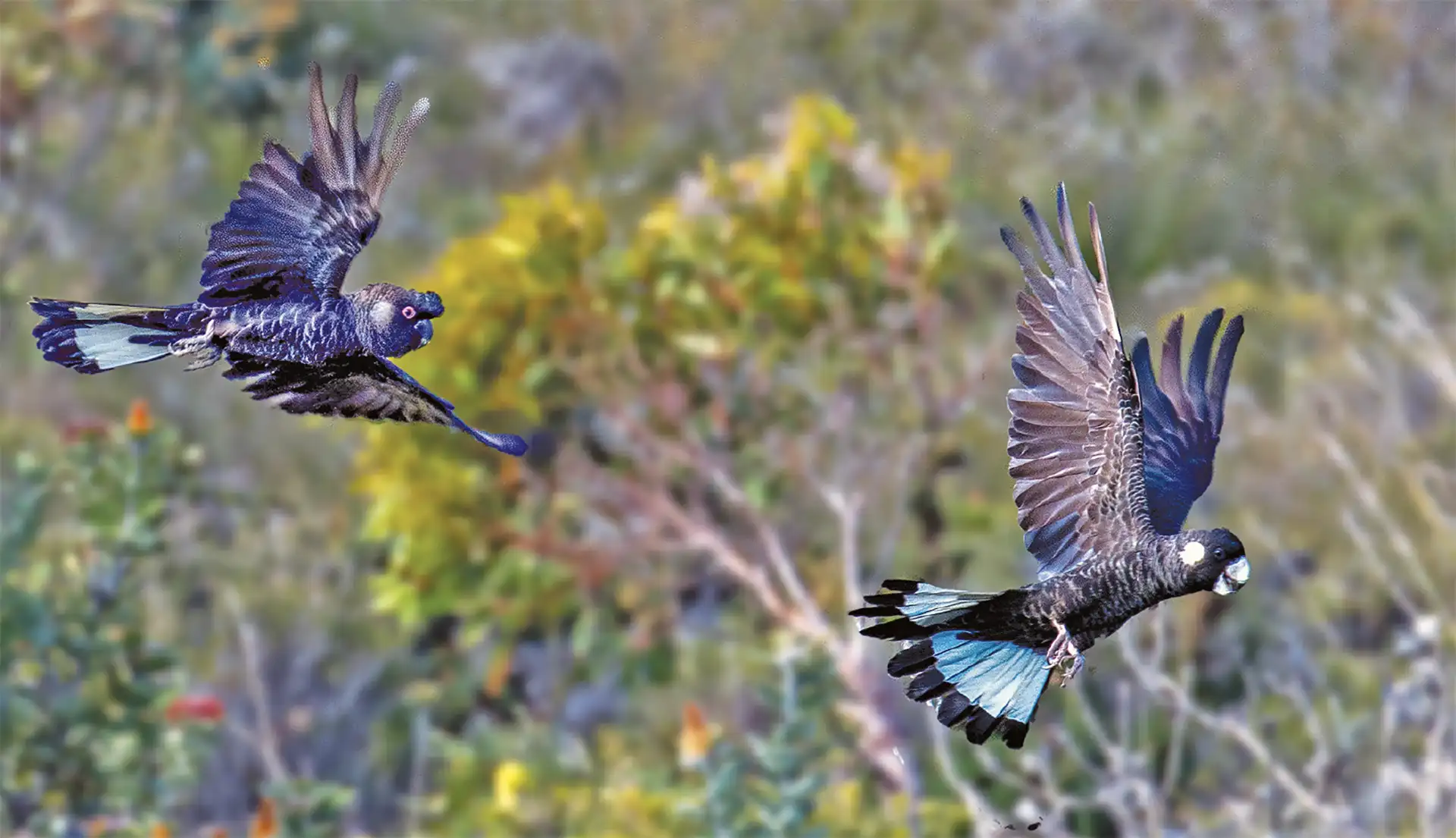
The extensive jarrah and wandoo woodlands of the Julimar State Forest have long been home to one of Australia’s most iconic birds, the Carnaby’s black cockatoo.
Historically, flocks of up to 5,000 were observed flying in WA skies in search of food and today they are classified as endangered.
Due to habitat loss and other threats, the Carnaby’s population has significantly declined since European settlement.
The Great Cocky Count survey estimates its population on the Swan Coastal Plain is declining by 15 percent every year.
Along with the ancient salmon gum woodlands of Cocanarup near Ravensthorpe, the Julimar State Forest and adjoining Bindoon Army Reserve provide the State’s most important breeding grounds for the Carnaby.
This has been extensively documented by Ron Johnstone, former Curator of Ornithology at the WA Museum.
Over 20 years, Ron recorded over 300 Carnaby’s cockatoo nesting hollows in the Bindoon Army reserve and neighbouring bushland.
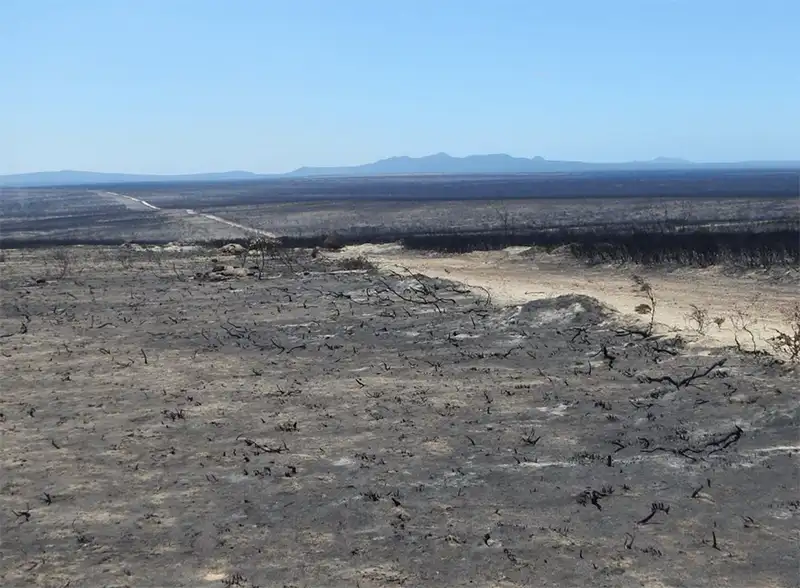
Two months ago, on 22 January disaster struck.
A wildfire sparked by lightning in the Fitzgerald River National Park accompanied by hot, gusty, south-west winds burnt a staggering 172,000 hectares of high-conservation value bushland, including Ravensthorpe’s Cocanarup salmon gums.
The Cocanarup Conservation Alliance estimate that up to 70 percent of the approximately 300 Carnaby nest trees have been burnt. Some of these tree-hollows still held chicks.
Carnaby black cockatoos require large sky-facing hollows for nesting. These are typically found in mature wandoo and other eucalypt trees that are at least 100 years old.
Breeding birds need to access food from native vegetation within 12 kilometres of their nesting hollows to raise healthy young.
Beyond the impact on the Cocanarup Carnaby’s breeding sites, a vast area of their foraging vegetation has also been burnt to ash.
Creatures impacted by this devastating fire include four other threatened fauna; Malleefowl, Heath Mice, Chuditch (or Western Quoll) and the Red-Tailed Phascogale, as well as priority plants and ecological communities.
Full recovery will take decades. Julimar forest and the adjacent Bindoon Army reserve bushland are now ever more critical as habitat for the future survival of the species.
Two prescribed burns are being planned by the WA Department of Biodiversity Conservation and Attractions over large areas of the Julimar forest over the next few months.
If these burns do go ahead, it will be vital that Julimar’s important Carnaby habitat is protected and the proposed cool burns preserve nesting hollows and essential forage trees.
The Julimar Conservation and Forest Alliance, including Toodyay ornithologist Max Howard have been busy conducting wildlife and flora surveys across the Julimar State Forest.
They aim to identify all nesting tree hollows and to monitor Carnaby’s black cockatoo populations as part of ongoing survey work.